Sick of Hail
PDR EducationMarch 15, 2026

What is Paintless Dent Repair?

Learn how paintless dent repair (PDR) works, why it's the preferred method for hail damage, and how it compares to traditional body shop repairs.

Sick of Hail Team

The Short Answer

Paintless dent repair (PDR) is a technique that removes dents from your vehicle's body panels without sanding, filling, or repainting. Specialized technicians use precision metal tools to carefully massage the metal back to its original shape from behind the panel. The result? Your car looks like the damage never happened — because the factory paint stays completely intact.

If you've ever had hail damage and dreaded the thought of weeks in a body shop, PDR is probably the solution you're looking for.

How Paintless Dent Repair Actually Works

The process is surprisingly straightforward in concept, but takes years of training to master. Here's how a typical PDR job goes:

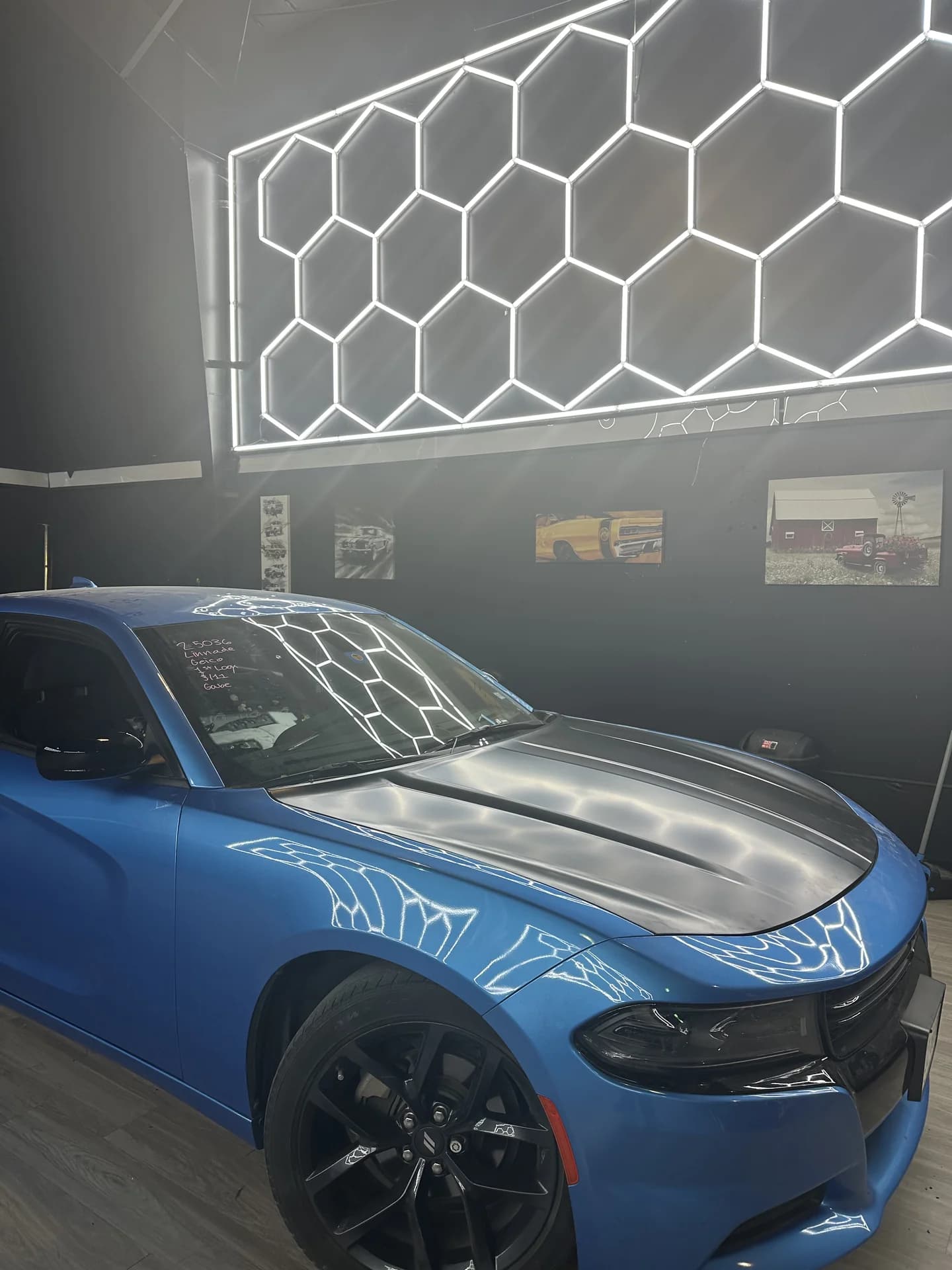
  • Assessment — The technician inspects your vehicle under specialized lighting (usually LED or fluorescent line boards) that makes even the smallest dents visible. Every dent is mapped out so nothing gets missed.
  • Access — The tech gains access to the backside of each dented panel. Sometimes this means removing interior trim panels, tail lights, or working through existing access holes in the vehicle's frame.
  • Repair — Using specially shaped metal rods and picks, the technician applies precise pressure to the backside of each dent. They slowly push the metal back into its original contour, working from the edges of the dent inward.
  • Finishing — Some dents leave a tiny high spot or crown once the main depression is pushed out. Technicians use knockdown tools and tap the surface gently to smooth these imperfections flat.
  • Quality check — The vehicle is re-examined under the specialty lighting to confirm every dent has been addressed and the surface is smooth.
  • The whole thing relies on one key property of automotive sheet metal: it has memory. When steel or aluminum gets dented, it wants to return to its original shape. PDR technicians work with that natural tendency rather than against it.

    PDR vs. Traditional Body Shop Repair

    Traditional body shop repair for hail damage typically involves sanding down the damaged area, applying body filler (Bondo), priming, and then repainting the affected panels. Sometimes entire panels get replaced.

    Here's how the two approaches stack up:

  • Paint preservation — PDR keeps your original factory paint. Body shops repaint, which is never quite the same as factory finish no matter how good the shop is.
  • Time — Most PDR jobs take one to three days. Body shop hail repairs can stretch to two or three weeks, sometimes longer during busy storm seasons.
  • Cost — PDR typically costs significantly less than conventional repair because there are no materials like paint, primer, filler, or replacement panels involved.
  • Vehicle value — This is the big one. A car that's been repainted shows up differently than one with original paint. Dealers and savvy buyers can spot the difference. PDR leaves no trace of repair, which directly protects your resale value.
  • Environmental impact — No paint means no volatile organic compounds (VOCs) released into the atmosphere. PDR is genuinely the greener option.
  • When Does PDR Work Best?

    PDR is ideal for the vast majority of hail damage situations. It works well when:

  • The dents haven't cracked or chipped the paint
  • The metal hasn't been stretched beyond its elastic limit (very deep, sharp dents)
  • The damage is on accessible panels (which covers most of a typical vehicle)
  • Hail damage is actually the perfect use case for PDR because hailstones tend to create lots of shallow, round dents spread across large areas. These dents rarely break the paint, and their shape responds extremely well to PDR techniques.

    When PDR Might Not Be the Right Call

    There are situations where PDR has limitations:

  • Cracked or flaking paint — If the impact was hard enough to damage the paint, that panel may need conventional repair.
  • Sharp creased dents — Dents with a sharp fold or crease can stretch the metal, making full PDR restoration difficult.
  • Prior body work — Panels that have already been filled with Bondo or repainted may not respond well to PDR because the filler can crack when manipulated.
  • Extreme damage — If hail was large enough to cause massive deformation, some panels might need replacement.
  • A good PDR technician will be upfront about what they can and can't fix. Reputable shops won't try to force PDR on damage that needs conventional work.

    The Skill Factor

    Here's something most people don't realize: PDR is one of the most skill-dependent trades in the automotive industry. There's no machine doing the work. It's a human being with a metal rod, feeling and watching the metal move fractions of a millimeter at a time.

    Training to become a competent PDR technician takes months of dedicated practice. Becoming genuinely skilled takes years. The difference between a novice and a master tech is enormous — a seasoned technician can make a panel look factory-new where a less experienced one might leave subtle imperfections.

    This is why choosing the right PDR provider matters so much. The technique is only as good as the hands performing it.

    What to Look for in a PDR Provider

    If you're shopping for paintless dent repair, keep these things in mind:

  • Experience with hail damage specifically — Hail repair is a specialty within PDR. You want techs who have repaired thousands of hail-damaged vehicles, not someone who occasionally pops a door ding.
  • Warranty — Reputable PDR companies stand behind their work with a written warranty.
  • Insurance experience — If you're filing a claim, you want a company that knows how to work with insurance adjusters and can handle the paperwork for you.
  • Reviews and reputation — Look for consistent positive reviews, especially from customers with similar damage to yours.
  • Before and after photos — Any confident PDR shop will have a portfolio of their work.
  • Ready to Get Your Hail Damage Fixed?

    If your vehicle took a beating in the last storm, paintless dent repair is almost certainly your best path to getting it back to normal. It's faster, cheaper, and better for your car's long-term value than the body shop route.

    At Sick of Hail, our technicians specialize exclusively in hail damage PDR. We've repaired thousands of vehicles and work directly with insurance companies to make the process as painless as possible. Reach out for a free inspection — we'll give you an honest assessment of your damage and walk you through exactly what the repair involves.

    Have Hail Damage? We Can Help.

    Schedule a free inspection and get a complete damage assessment at no cost. Most customers pay little to nothing on qualifying repairs.

    Get Free Assessment
    Call NowFree Assessment
    Text Us